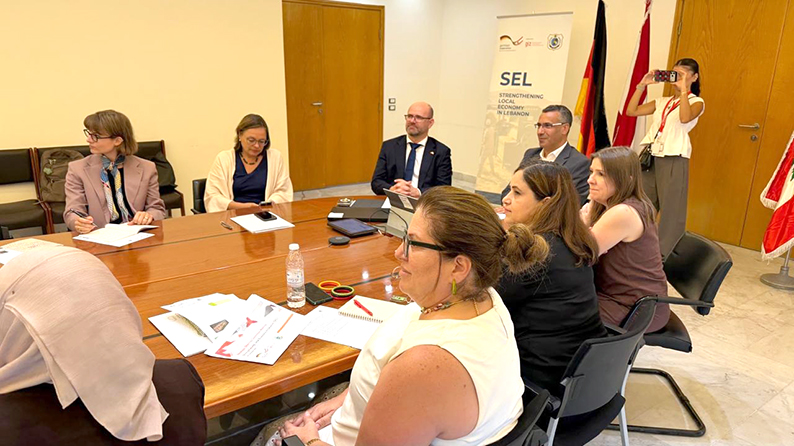
بيروت – استقبل وزير الزراعة الدكتور نزار هاني وفد الوكالة الألمانية للتعاون الدولي
(GIZ)، في إطار اجتماع توجيهي استراتيجي خُصّص لإطلاق مرحلة جديدة من مشروع
"تعزيز الاقتصاد المحلي في لبنان"(SEL)، الهادف إلى تطوير سلاسل القيمة الزراعية والغذائية، وتعزيز القدرة التنافسية للمنتجين والمؤسسات الصغيرة والمتوسطة، وتوسيع فرص وصولها إلى الأسواق
.
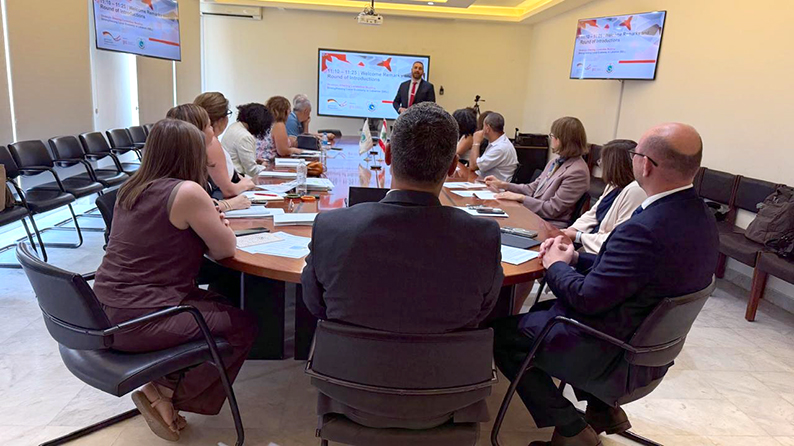
وشارك في الاجتماع ممثلون عن وزارات الزراعة والاقتصاد والتجارة والصناعة، إلى جانب أصحاب المصلحة المعنيين، انطلاقًا من أهمية التنسيق المؤسسي في دعم سلسلة القيمة الزراعية بمختلف مراحلها، من الإنتاج في الحقل، مرورًا بالتصنيع والتوضيب، وصولًا إلى التسويق والمستهلك
.
وأكد الوزير هاني أن "هذا المشروع يجسّد أهمية الشراكة والتنسيق بين القطاع العام والشركاء الدوليين، لربط الإنتاج الزراعي بالتصنيع والتسويق، وتمكين المزارعين والمؤسسات الزراعية والغذائية من تحسين جودة منتجاتهم والوصول إلى أسواق جديدة"
.
ومن جهته أكد ماتياس فاغنر، مدير مكتب
GIZ في لبنان، أن "لإصلاح الحقيقي في القطاع الزراعي يتطلب تعاوناً وثيقاً بين الوزارات والمؤسسات العامة وأصحاب المصلحة المعنيين. وتلتزم وكالة
GIZ، نيابةً عن ألمانيا، بدعم وزارة الزراعة في توحيد جهود هذه الجهات والمضي قدماً بجهودها الإصلاحية. ويُعد هذا التعاون ضرورياً لترجمة الإصلاحات إلى تحسينات ملموسة وإحداث تغيير إيجابي ودائم في القطاع الزراعي اللبناني"
.
وشدّد المجتمعون على أن التكامل بين الوزارات والمؤسسات المعنية يشكّل عاملًا أساسيًا لتحويل تحسين الإنتاج الزراعي إلى دخل فعلي ومستدام للمزارعين، وضمان توفير منتجات غذائية موثوقة وعالية الجودة للمستهلكين، فضلًا عن تعزيز قدرة المؤسسات الزراعية والغذائية على النمو والمنافسة
.
ويركّز مشروع
SEL على دعم المنتجين الزراعيين والمؤسسات المتناهية الصغر والصغيرة والمتوسطة العاملة في القطاع الزراعي الغذائي في عكار وشمال لبنان وجبل لبنان والبقاع، من خلال تعزيز روابطها بالمؤسسات والخدمات، وتطوير ممارسات الإنتاج، وتحسين الجودة، وفتح أسواق جديدة أمام منتجاتها
.
ويُنفَّذ المشروع من قبل الوكالة الألمانية للتعاون الدولي
(GIZ)، بالشراكة مع وزارة الزراعة، بميزانية إجمالية تبلغ
7.5 ملايين يورو، وبتمويل من الوزارة الاتحادية الألمانية للتعاون الاقتصادي والتنمية
(BMZ).
وتبرز أهمية المشروع في اعتماده مقاربة متكاملة لتطوير سلاسل القيمة. فعلى سبيل المثال، يمكن لمنتجي زيت الزيتون في عكار تحسين إنتاجهم من خلال اعتماد ممارسات زراعية أفضل، والحصول على الدعم اللازم لاستيفاء معايير الجودة ونيل الشهادات المطلوبة، وصولًا إلى تسهيل التجارة والنفاذ إلى أسواق ومستهلكين جدد. ويتطلب نجاح هذه المراحل تكامل أدوار الوزارات والمؤسسات المعنية ضمن رؤية مشتركة
.
وشكّلت الخطة التشغيلية للمشروع البند الرئيسي على جدول أعمال الاجتماع، حيث جرى عرضها ومناقشتها وإقرارها من قبل أصحاب المصلحة. وحدّدت الخطة المسارات التنفيذية الهادفة إلى دعم المنتجين الزراعيين والمؤسسات الزراعية والغذائية من خلال
:
- تحسين التنسيق وتطوير الخدمات بين المؤسسات المعنية.
- دعم أنظمة إنتاج أكثر قدرة على الصمود في مواجهة آثار التغيّر المناخي.
- تعزيز سلامة الغذاء ورفع الجاهزية للحصول على شهادات الجودة والمطابقة.
- توسيع فرص الوصول إلى أسواق محلية وخارجية جديدة.
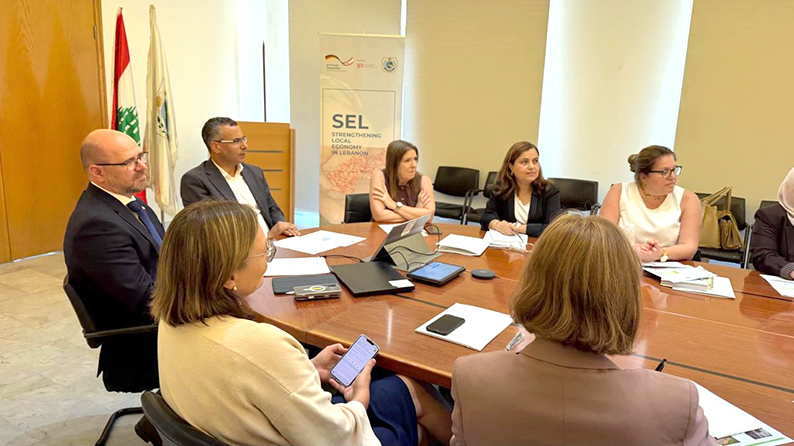
وأتاح الاجتماع للمشاركين توحيد الرؤية بشأن الأولويات والخطوات التنفيذية المقبلة، والاتفاق على آلية حوكمة المشروع خلال المرحلة القادمة، بما يضمن وضوح الأدوار والتنسيق الفاعل بين الجهات الشريكة
.
وفي ختام الاجتماع، جدّدت وزارة الزراعة والوكالة الألمانية للتعاون الدولي التزامهما المشترك بدعم الاقتصاد المحلي، وتعزيز صمود المنتجين والمزارعين، وتطوير قطاع زراعي غذائي أكثر تنافسية واستدامة، وقادر على توفير فرص اقتصادية جديدة في المناطق المستهدفة
.
Ministry of Agriculture and GIZ Hold Strategic Steering Meeting to Promote Local Economic Development in Lebanon
Beirut – Minister of Agriculture Dr. Nizar Hani received a delegation from the German Development Agency (GIZ) as part of a strategic steering meeting dedicated to launching a new phase of the “Strengthening the Local Economy in Lebanon” (SEL), which aims to develop agricultural and food value chains, enhance the competitiveness of producers and small and medium-sized enterprises, and expand their market access.
The meeting was attended by representatives from the Ministries of Agriculture, Economy, Trade, and Industry, as well as relevant stakeholders, reflecting the importance of institutional coordination in supporting the agricultural value chain at all its stages—from field production, through processing and packaging, to marketing and the consumer.
Minister Hani emphasized that “this project embodies the importance of partnership and coordination between the public sector and international partners to link agricultural production with processing and marketing, and to enable farmers and agricultural and food enterprises to improve the quality of their products and access new markets.”
Country Director of GIZ in Lebanon, Matthias Wagner confirmed that ‘“Meaningful reform in the agricultural sector requires close cooperation across ministries, public institutions and relevant stakeholders. GIZ on behalf of Germany is committed to supporting the Ministry of Agriculture in bringing these actors together and advancing its reform efforts. This cooperation is essential to translate reforms into tangible improvements and enable lasting positive change in Lebanon’s agricultural sector.”
The participants stressed that integration among the relevant ministries and institutions is a key factor in transforming improvements in agricultural production into actual and sustainable income for farmers, ensuring the provision of reliable, high-quality food products to consumers, and enhancing the capacity of agricultural and food enterprises to grow and compete.
The SEL project focuses on supporting agricultural producers and micro, small, and medium-sized enterprises (MSMEs) operating in the agri-food sector in Akkar, Northern Lebanon, Mount Lebanon, and the Bekaa, by strengthening their links with institutions and services, developing production practices, improving quality, and opening new markets for their products.
The project is being implemented by the German Development Agency (GIZ), in partnership with the Ministry of Agriculture, with a total budget of 7.5 million euros, and is funded by the German Federal Ministry for Economic Cooperation and Development (BMZ).
The project’s significance lies in its adoption of an integrated approach to value chain development. For example, olive oil producers in Akkar can improve their production by adopting better agricultural practices, receiving the necessary support to meet quality standards and obtain the required certifications, and ultimately facilitating trade and gaining access to new markets and consumers. The success of these phases requires the integration of the roles of the relevant ministries and institutions within a shared vision.
The project’s operational plan was the main item on the meeting’s agenda; it was presented, discussed, and approved by the stakeholders. The plan outlined the implementation pathways aimed at supporting agricultural producers and agricultural and food institutions by:
•Improving coordination and developing services among the relevant institutions.
•Supporting production systems that are more resilient to the effects of climate change.
•Enhancing food safety and increasing readiness to obtain quality and conformity certifications.
• Expanding access to new domestic and international markets.
The meeting enabled participants to align their vision regarding priorities and upcoming implementation steps, and to agree on a project governance mechanism for the next phase, ensuring clear roles and effective coordination among partner entities.
At the conclusion of the meeting, the Ministry of Agriculture and GIZ reaffirmed their joint commitment to supporting the local economy, strengthening the resilience of producers and farmers, and developing a more competitive and sustainable agri-food sector capable of providing new economic opportunities in the target areas.
#الزراعة_نبض_الأرض_والحياة
#وزارة_الزراعة_اللبنانية
#Lebanese_Ministry_of_Agriculture
#وزير_الزراعة